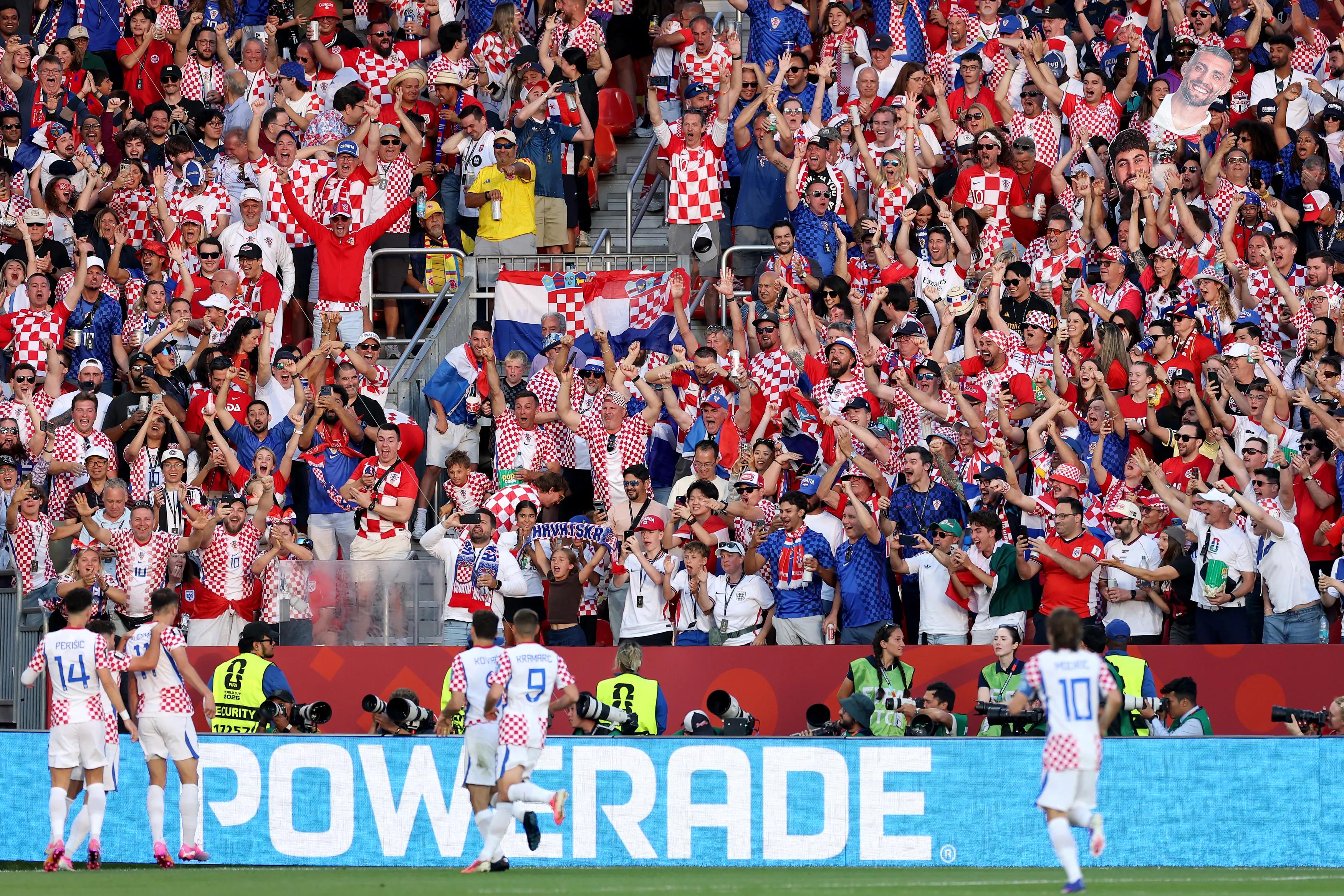
Inside a packed sports bar on Roncesvalles Avenue in Toronto, 68-year-old Marija Kovačić pressed both hands to her chest as the final whistle blew. Around her, three generations of Croatian-Canadians erupted, some dropping to their knees on the sticky floor, others hugging strangers who had become family over the previous 120 minutes. Marija had not spoken a word since extra time began. Now, tears rolled freely down her cheeks as she whispered something in Croatian to her granddaughter, who translated for the friends nearby: "Your great-grandfather wept in 1998 too." This is the story of Croatia's 2026 World Cup campaign as experienced by its vast North American diaspora, and it is a story that echoes the journey of 1998 in ways no statistic can capture. Back then, the Vatreni's run to the semifinals in France united a nation still carrying the scars of a war that had ended only three years earlier. In 2026, the setting has changed — the matches are played across three host nations, and the Croatian diaspora in Canada alone numbers over 130,000 — but the emotional resonance remains identical. The watch party on Roncesvalles was one of dozens that sprang up across North America during the tournament. In Chicago's Bridgeport neighborhood, in San Pedro near Los Angeles, and in Astoria, Queens, Croatian bars became cathedrals of collective anxiety and joy. When Luka Modrić, at 40 years old, curled a trademark free kick inches wide of the post in the 87th minute, a collective gasp rippled through every room. When the younger legs of a new generation finally broke through in extra time, the cheer could be heard three blocks away. What makes this campaign so reminiscent of two decades ago is not just the result but the way it has reconnected a scattered people. Young Croatian-Canadians who grew up speaking English at school and Croatian at the dinner table suddenly found themselves explaining offside traps and zonal marking to their curious classmates. Social media buzzed with split-screen photos: grainy VHS captures from France 1998 next to 4K smartphone videos from Mexico City 2026. Grandparents who had fled the Balkans in the 1990s found themselves hosting viewing parties for grandchildren who had never set foot in the old country. "We are not just watching football," said Marko Perišić, a 34-year-old software engineer born in Zagreb but raised in Mississauga. "We are watching our identity validated on the biggest stage. Every time they broadcast the Croatian flag, every time they play our anthem, it matters. It tells our kids that where we come from still matters." As the team prepares for the knockout rounds, the diaspora is already planning. Flights from Toronto, Vancouver, and New York to the next host city are selling out. Marija Kovačić has already booked her ticket. She wants to see them play live, she says, just once. Just like 1998, when she watched on a small television in a refugee camp in Austria. The journey, she insists, is what makes it beautiful.
"Audaces fortuna iuvat"