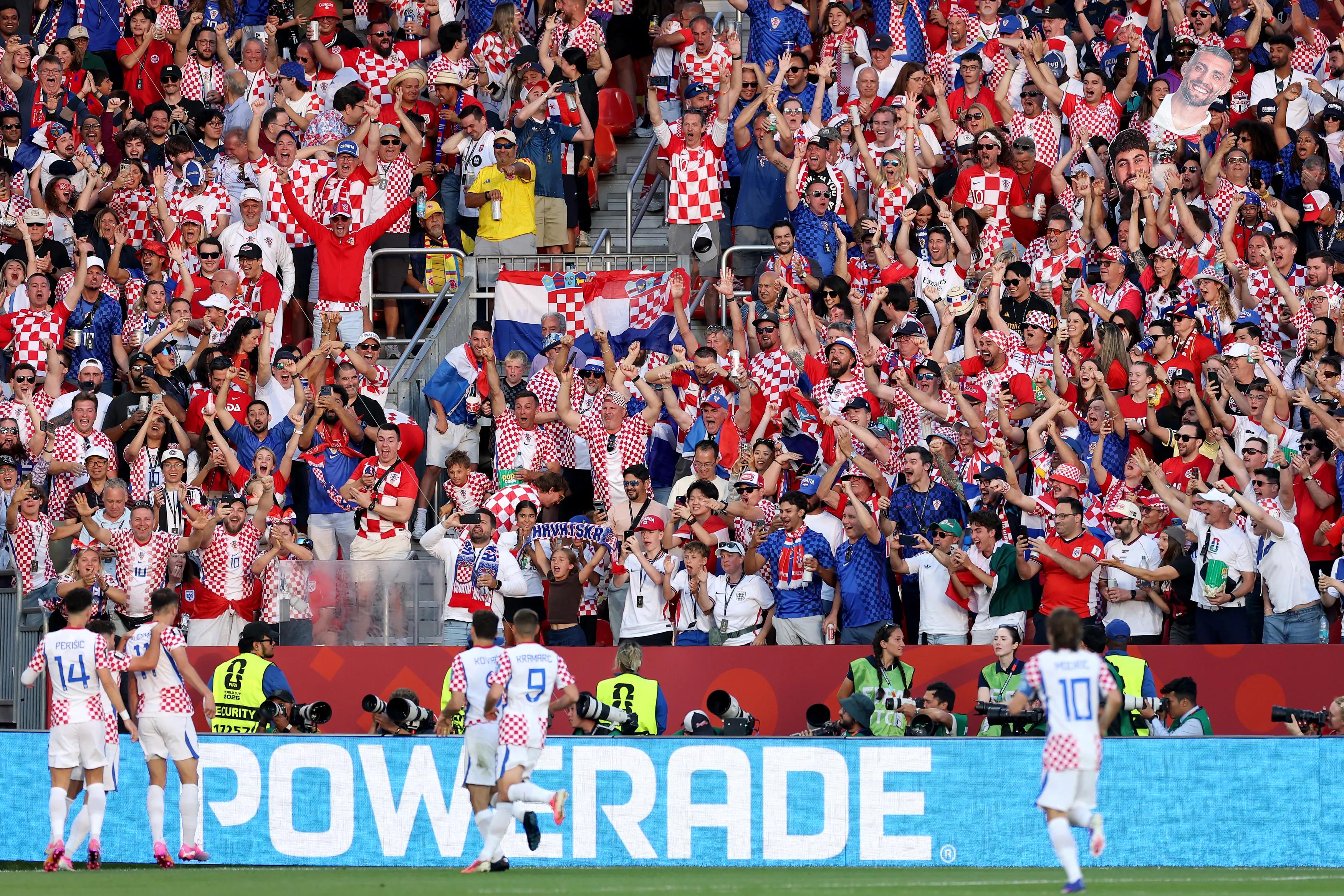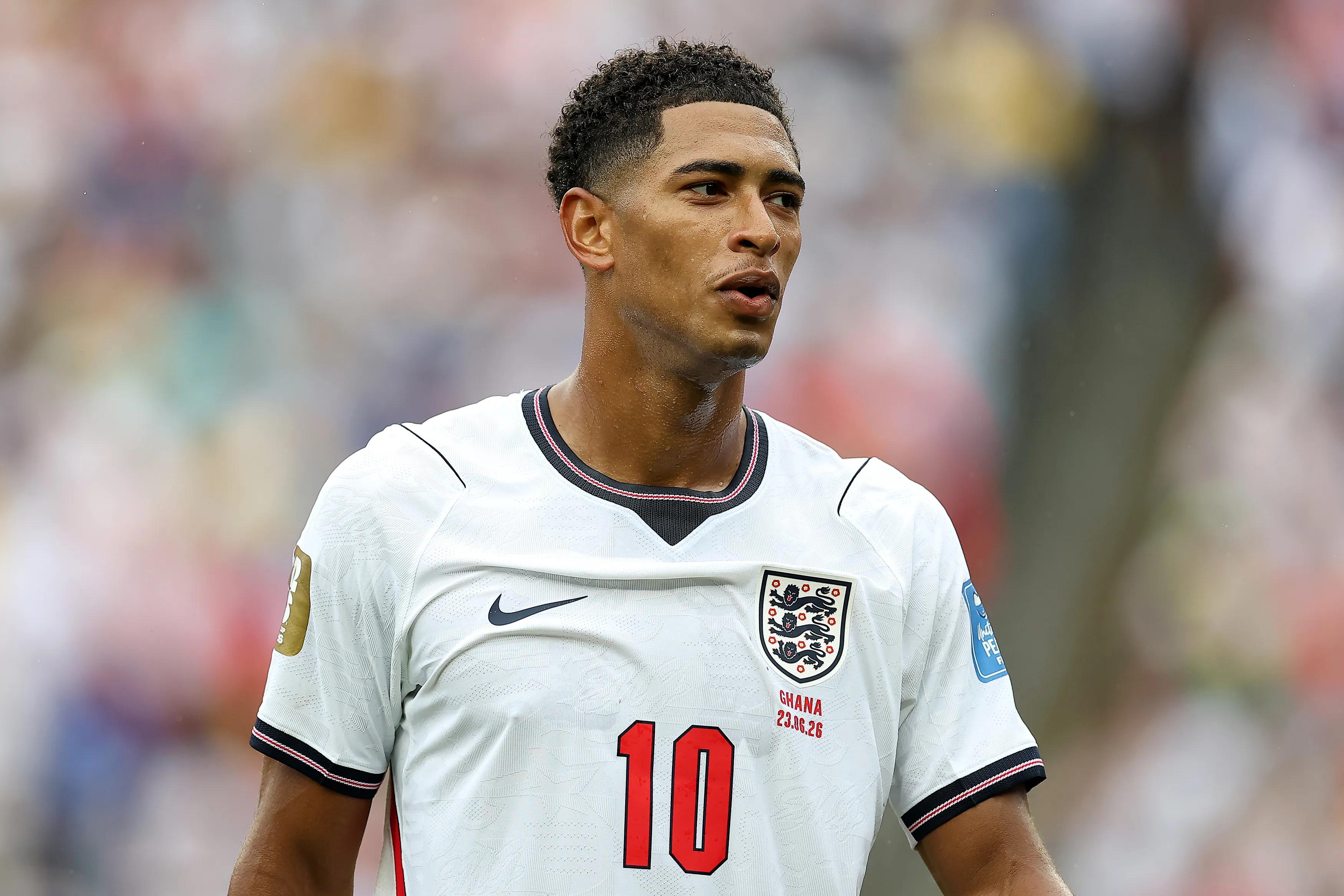
At the 73rd minute of England's group stage match in Boston, the camera panned to a fan in the upper deck of Gillette Stadium. He was wearing a waistcoat — a deliberate nod to Gareth Southgate's iconic 2018 sideline look — and he had buried his face so deeply in his palms that his fingers disappeared into his hairline. Around him, thousands of England supporters sat in a state of collective paralysis, the energy that had filled the stadium at kickoff now replaced by a heavy, familiar dread. Within seconds, the image was everywhere. @WaistcoatWoe posted it with the caption: "I've seen this movie before. It doesn't have a happy ending." For England fans, the 0-0 draw in Boston was not merely a disappointing result — it was a traumatic flashback to a night they had tried desperately to forget. On June 18, 2010, in the coastal city of Algiers, England produced one of the most frustrating performances in their modern World Cup history, a lifeless goalless draw against Algeria that left fans booing and the team slinking off the pitch in shame. Now, sixteen years later, the sequel had arrived on North American soil, and the sense of history repeating itself was almost unbearable. The reaction on social media was swift and merciless. "England have perfected the art of the boring stalemate across decades and continents," tweeted one fan. "From the heat of North Africa to the autumn chill of New England, we remain consistently, stubbornly, frustratingly goalless." Another fan posted a side-by-side comparison of the BBC Sport headlines: "England 0-0 Algeria" and "England 0-0 [Opponent]" with the caption: "Same script, different cast." But for those inside the stadium, the frustration was visceral in a way that screenshots could never convey. In Section 124, a group of supporters who had collectively spent over £15,000 to make the trip from London, Manchester, and Birmingham sat in stunned silence as the final whistle approached. One of them, a 52-year-old season ticket holder named Paul from Croydon, had been at the Algeria match too. "It's the same feeling," he said, his voice hoarse from a combination of shouting and despair. "You watch them pass sideways, you watch them retreat into their own half, you watch the clock tick down, and you just know. You know nothing is going to change." The parallels were uncanny. In 2010, the criticism had centered on Frank Lampard and Steven Gerrard's inability to coexist in midfield. In 2026, a new generation of England stars faced the same accusation of failing to impose themselves. The opposition, meanwhile, played with the energy and belief of a team that sensed English fragility. It was, as one fan put it in a viral post, "the same pattern, the same pain, just a different passport for the opponents." Walking out of the stadium into the cool Boston evening, the England supporters were quiet. A few attempted gallows humor — "At least we kept a clean sheet" — but most simply walked in silence, the weight of history pressing down on their shoulders. For a fanbase that had spent years believing that the pain of the past had been left behind, the goalless draw in Boston was a brutal reminder: some ghosts never stay buried.
"Alea iacta est"