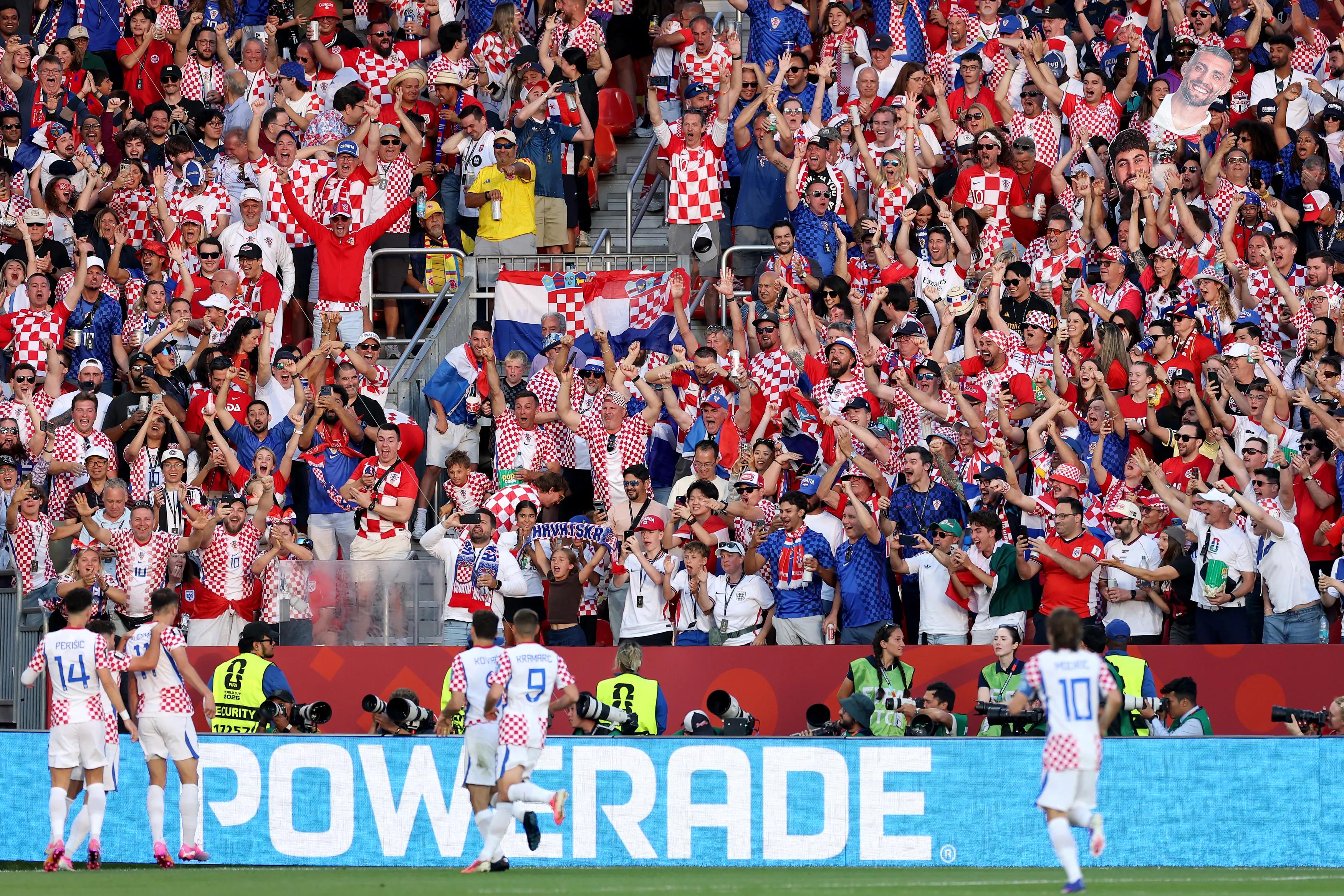
The Estadio Azteca had not yet fallen silent when 78-year-old Javier García turned to his grandson Mateo and said something that was swallowed entirely by the roar of 80,000 voices. Mateo didn't need to hear the words. He knew what his grandfather had said because he had heard it before, many times, in the stories that had punctuated his childhood. "Your grandmother cried when we won in 2010. Now it's your turn to remember this forever." Javier had been seventeen when he watched Spain's golden generation lift the World Cup in Johannesburg in 2010. He had watched from a small bar in Valencia, pressed shoulder to shoulder with strangers who became brothers by the final whistle. Now, in 2026, he sat in the stands of the legendary Azteca stadium in Mexico City, his son Carlos on one side and his grandson Mateo on the other, watching a new generation of Spanish footballers write their own chapter. The connection between those two moments was not merely sentimental — it was the living thread of a family's identity woven through football. The match itself was a masterclass in Spanish control, but for the García family, the real drama unfolded in the stands. Carlos, now 48, had been a child during the 2010 triumph. His memories were fragmented — the flash of Andrés Iniesta's shirtless celebration, his father lifting him onto his shoulders, the sound of car horns across Valencia all night. But for Mateo, a sixteen-year-old who had grown up watching Spanish football on YouTube compilations, this was his first live World Cup experience. "I've seen the highlights of 2010 a hundred times," he said during a break in play. "But being here, feeling the stadium shake when we score — there's no video that captures this." Around them, the Spanish contingent in the stands was a mix of expats, dual nationals, and fans who had flown in from Madrid, Barcelona, and Seville. Many carried flags bearing the crest of clubs that had defined Spanish football's golden era. One banner read: "De La Roja a La Roja — Misma Pasión, Nueva Generación." From the Red to the Red — Same Passion, New Generation. It was a sentiment that captured the evening perfectly. When the young midfielder who had drawn comparisons to Xavi and Iniesta curled a shot into the top corner, Javier grabbed Mateo's arm with a grip that surprised them both. "See that?" he shouted. "That is what I've been telling you about. That is what we do." Mateo, who had spent years rolling his eyes at his grandfather's football nostalgia, found himself crying for the first time at a match. After the final whistle, the García family sat for a long time in their seats, letting the stadium empty around them. Javier pulled out his phone and showed Mateo a photo from 2010 — a younger version of himself, holding a child (Carlos) on his shoulders, both of them draped in a Spanish flag. Then he took a new photo: three generations, the same flag, a different stadium, the same joy. "Abuelo," Mateo said, looking at the two photos side by side, "I finally understand why you talk about 2010 so much." Javier smiled. "It was never about 2010, Mateo. It was always about moments like this — moments you pass down."
"Fortes fortuna adiuvat"