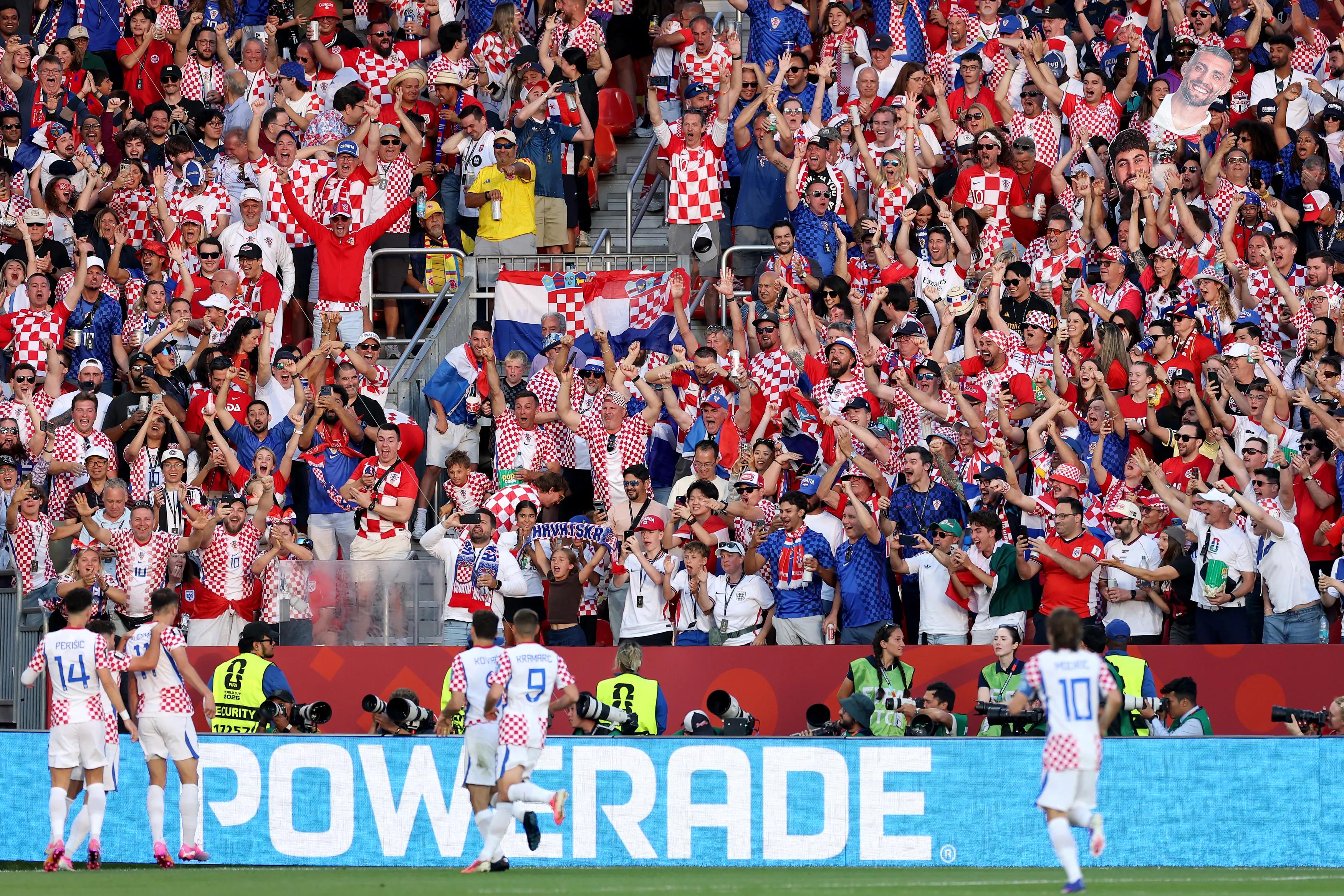
The text message arrived at 3:14 AM in the fishing village of Ribeira Quente on the island of São Miguel, Azores. It read simply: "He did it, Pai. In front of 60,000 of us. I was there." Attached was a video of the stadium exploding — fireworks, flags, and a sea of red and green. In the stands of MetLife Stadium, 23-year-old Tiago Medeiros had just watched his hero complete a record that had been twenty years in the making. And 2,300 miles away, in the living room where Tiago had grown up, his father Joaquim watched the video on repeat, tears streaming down a face weathered by decades of Atlantic salt spray. This was not just a football match. For the Medeiros family, and for Portuguese communities across North America, this was the culmination of a dream that began in 1966, when Eusébio da Silva Ferreira — the Black Panther from Mozambique — scored four goals against North Korea in a single quarterfinal, carrying Portugal to a third-place finish that remains a touchstone of national identity. Joaquim Medeiros had grown up listening to his own father's stories about Eusébio, tales told in the dim light of a kitchen where the radio was the only connection to the outside world. "My father said Eusébio ran like the wind and shot like thunder," Joaquim later recalled in a phone call with his son. "And now you tell me you saw Ronaldo do the same thing. The names change, Tiago. The feeling does not." Tiago's journey to MetLife Stadium had been a pilgrimage years in the making. A fisheries management student at Rutgers University, he had scraped together money from summer jobs, tutoring gigs, and the occasional freelance fishing charter to afford the ticket. When he finally walked through the stadium gates, he called his father and held up the phone, letting the roar of the crowd travel across the Atlantic. "Can you hear them, Pai?" he shouted. "They are singing his name." The Portuguese diaspora in the New York-New Jersey area is one of the largest in North America, with communities in Newark, Elizabeth, and the Ironbound district forming a vibrant cultural hub. On match day, those communities had emptied into the stadium, transforming sections of the stands into a miniature Lisbon. Flags from every region of Portugal — from Minho to the Algarve, from Madeira to the Azores — fluttered in the autumn breeze. Elderly immigrants who had arrived in America decades ago stood shoulder to shoulder with college students who had been born in the States but raised on stories of a homeland they visited each summer. When Ronaldo scored — the moment that broke the record — Tiago felt something shift inside him. He had watched the goal on television a hundred times since childhood. He had recreated it in pickup games on New Jersey fields. But seeing it happen live, in the same night as the culmination of a journey that began with Eusébio in 1966, was overwhelming. He dropped to his knees, not in prayer but in sheer disbelief. After the match, he walked out onto the concourse and bought a Portugal scarf, texting his father a photo of it wrapped around his neck. "This one is for your father," Joaquim texted back. "And for Eusébio. And for all of us who never got to see it in person. You saw it for all of us, Tiago. Never forget that."
"Memento mori"