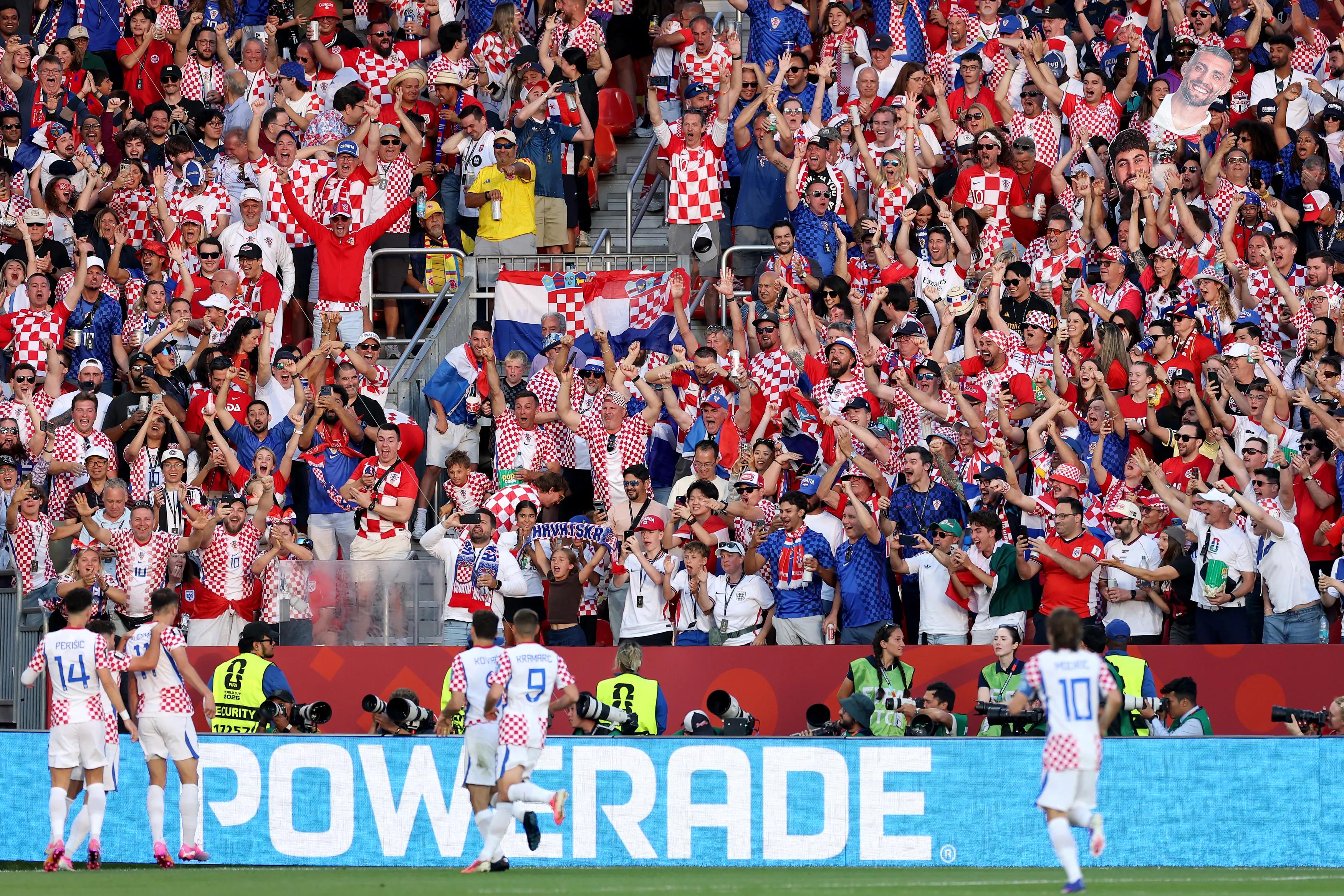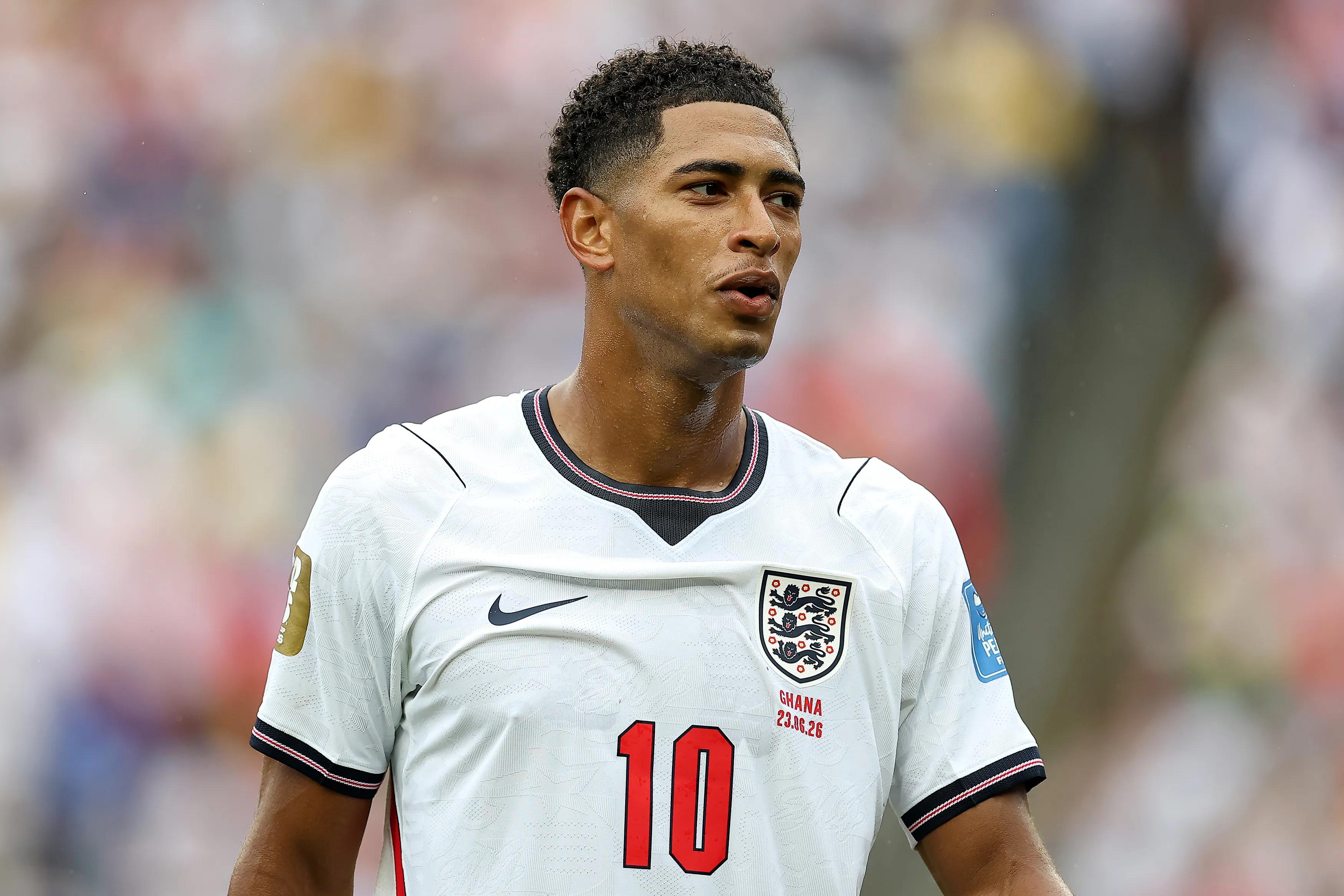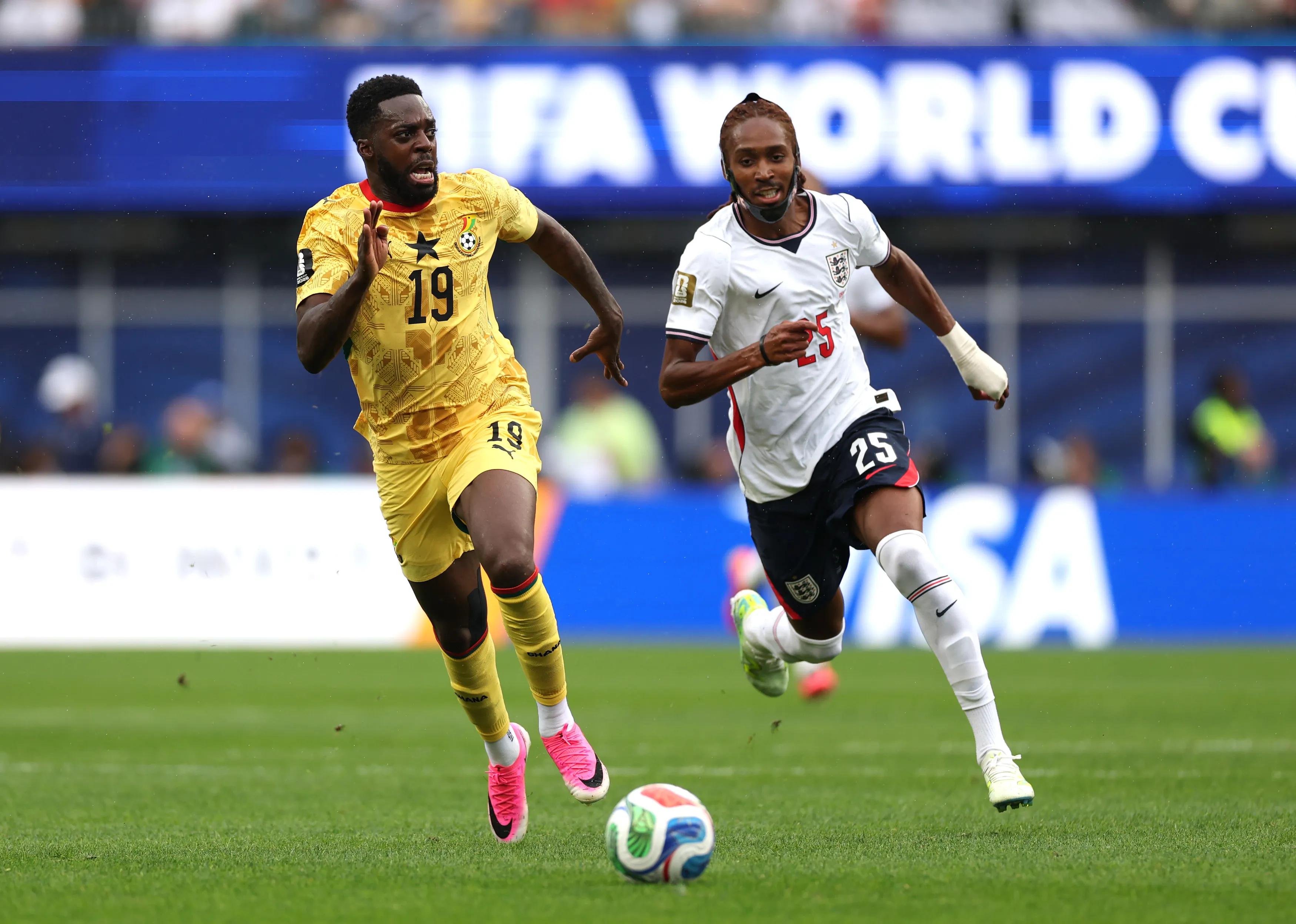
A single Ghanaian flag, hand-painted on a bedsheet and tied to a metal railing with zip ties, fluttered above a section of the stadium in Houston. Beneath it, a choir of voices sang in Twi, their harmonies rising above the Mexican wave that swept through the rest of the ground. The flag was frayed at the edges and faded from the sun, but the words painted across it in bold red letters were unmistakable: "AFRICA RISES AGAIN — 1990 CAMEROON • 2026 GHANA." The man holding it, 55-year-old Kojo Asante, had flown in from Accra via London, his life savings reduced by the cost of the ticket but his spirit untouched by any calculation of expense. Kojo was thirteen years old in 1990 when Cameroon, led by the indomitable Roger Milla, marched into the World Cup quarterfinals and nearly defeated England in one of the most thrilling matches the tournament has ever seen. He remembered watching that game on a flickering television in his uncle's compound, surrounded by neighbors who had crowded in from the surrounding streets. When Cameroon took the lead, the entire compound erupted. When England equalized, there was silence. And when the final whistle confirmed England's victory, Kojo's uncle had turned to him and said: "Remember this day. One day, another African team will finish what Cameroon started." That day had arrived in Houston, 2026. Ghana, having navigated a brutal group stage, found themselves locked in a tense battle against England — a rematch of sorts, a spiritual sequel to that 1990 quarterfinal. The parallels were impossible to ignore. Cameroon in 1990 had been dismissed as outsiders, a team whose unconventional style was seen as entertaining but ultimately unsustainable. Ghana in 2026 faced the same patronizing coverage, with pundits praising their "spirit" while predicting their inevitable collapse. But in the stands, the Ghanaian fans knew something the pundits did not: this team had been preparing for this moment for thirty-six years. The atmosphere in the Ghanaian sections was electric. Drumming circles formed in the concourses before the match. Women in bright kente cloth danced in the aisles. Children too young to understand the stakes were lifted onto shoulders to witness the spectacle. When Ghana's captain scored a stunning equalizer in the second half, the noise that erupted was not just joy — it was vindication. A fan named Amma, who had moved to Dallas from Kumasi in 2015, grabbed her neighbor and screamed: "They said we couldn't do it! They said Africa always fades!" Walking out of the stadium after the final whistle, Kojo felt a peace he had not expected. Ghana had held England to a draw, a result that kept their tournament hopes alive. It was not the victory Cameroon had nearly achieved in 1990, but it was something else — proof that the journey was continuing. He took a photo of the frayed bedsheet flag and sent it to his brother in Accra with the caption: "Uncle was right. Africa is still rising."
"Per aspera ad astra"